Oral Pathology in Tucson, Oro Valley & Sahuarita, AZ

Effective Diagnosis and Treatment for Oral Disease

Oral pathology focuses on the diagnosis and treatment of diseases and abnormalities affecting the mouth, jaws, and surrounding facial structures. If you or your dentist notices a change in the tissues of your mouth or an unusual finding on an X-ray, an oral surgeon may be recommended for further evaluation, biopsy, or treatment.

Arizona Oral & Maxillofacial Surgeons provides oral pathology care at our offices in Tucson, Oro Valley, and Sahuarita, helping patients throughout the Tucson metro area understand unusual findings and determine the appropriate next step.

Whether you have been referred by your dentist or have noticed a change yourself, our team can evaluate the area and develop a treatment plan based on your individual needs.

Signs and Symptoms of Oral Disease

Symptoms that arise in the mouth or facial structures can be warning signs for larger issues within the body. The mouth is responsible for a wide variety of crucial functions, such as eating, drinking, breathing, and speaking. All these activities increase the mouth's risk of infection and other problems, so it’s important to attend regular checkups and perform self-exams to prevent signs of disease from going unnoticed.

Not all early symptoms of a pathological process are uncomfortable or painful, so it’s important to note any changes in the look or feel of the inner lining of your mouth. If you experience one or more of these symptoms, we encourage you to contact our office for an oral examination:

  • Red or whitish patches in the mouth
  • A sore that won’t heal on its own or bleeds easily
  • A lump or thickening of the skin lining the inside of the mouth
  • A chronic sore throat or constant hoarseness
  • Difficulty chewing or swallowing

Evaluation of Suspicious Oral Lesions

Changes in the tissues of the mouth do not always indicate cancer, but an unusual lesion, sore, lump, or patch should be evaluated when there is concern about what it may represent.

An oral surgeon can examine the area and determine whether monitoring, imaging, a biopsy, or another diagnostic step is appropriate. When tissue requires further evaluation, a biopsy can help determine whether the finding is benign, cancerous, or indicative of another oral condition.

Early evaluation gives you clearer information about the finding and helps determine what, if any, treatment is needed.

Conditions We Evaluate in the Tucson Metro Area

Oral and maxillofacial pathology encompasses many conditions affecting the mouth, jaws, and facial structures. AZOMS evaluates conditions, including:
  • Bacterial, fungal, and viral infections of the oral and facial region
  • Salivary gland disorders
  • Persistent sores or ulcers
  • Oral and jaw cysts
  • Benign and suspicious tumors
  • Oral cancer

The appropriate next step depends on the condition and may involve observation, medication, biopsy, surgical treatment, or coordination with another specialist.
What to Expect During an Oral Pathology Evaluation

Your visit begins with an examination of the area of concern and a review of your dental and medical history. From there, your surgeon will determine whether additional diagnostic testing is needed.
1

Examination and Imaging

Your surgeon will evaluate the abnormal area and surrounding tissues. When more detail is needed, 3D imaging can provide detailed views of the jaws and surrounding structures to assist with diagnosis and treatment planning.

2

When an Oral Biopsy May Be Recommended

If an area cannot be confidently diagnosed through examination or imaging alone, your surgeon may recommend a biopsy.

During an oral biopsy, a small sample of tissue—or in some cases, the entire lesion—is removed for examination by a pathology laboratory. This allows your care team to determine more precisely what the tissue represents and whether additional treatment is necessary.

After your procedure, follow the oral biopsy post-operative instructions provided by our team to help protect the biopsy site as it heals.

3

Reviewing Your Biopsy Results

Biopsy specimens are typically sent to a pathology laboratory for examination. Once the report is available, your surgeon will review the findings with you and discuss whether monitoring, additional treatment, or another type of care is recommended.

What Happens After Diagnosis?

Your treatment plan will depend on what the examination, imaging, or biopsy reveals.

Benign Cysts or Tumors

If a cyst or tumor is found to be non-cancerous, surgical removal may be recommended. Your surgeon will explain the procedure and whether any additional treatment or follow-up is needed.

Infections and Other Oral Conditions

Medication or another form of treatment may be recommended for infections, salivary gland disorders, or other oral conditions, depending on the diagnosis.

Cancerous or Suspicious Findings

If a biopsy identifies cancerous tissue or another finding that requires additional specialty care, your surgeon will explain the results and discuss the appropriate next steps with you.

How long is recovery after dental implant surgery?

The recovery period can differ depending on your condition and the number of implants you received. Usually, patients are back to their regular schedules after just a week or two, but full chewing function will be restored after several weeks to a few months of healing.

Comfort During Biopsy or Treatment

Depending on the procedure and your individual needs, Arizona Oral & Maxillofacial Surgeons offers local anesthesia, nitrous oxide, IV sedation, and general anesthesia to support your comfort during treatment.

Your surgeon will review the appropriate option with you before your procedure so you understand what to expect.
Learn More

Experienced Oral Surgeons Serving the Tucson Metro Area

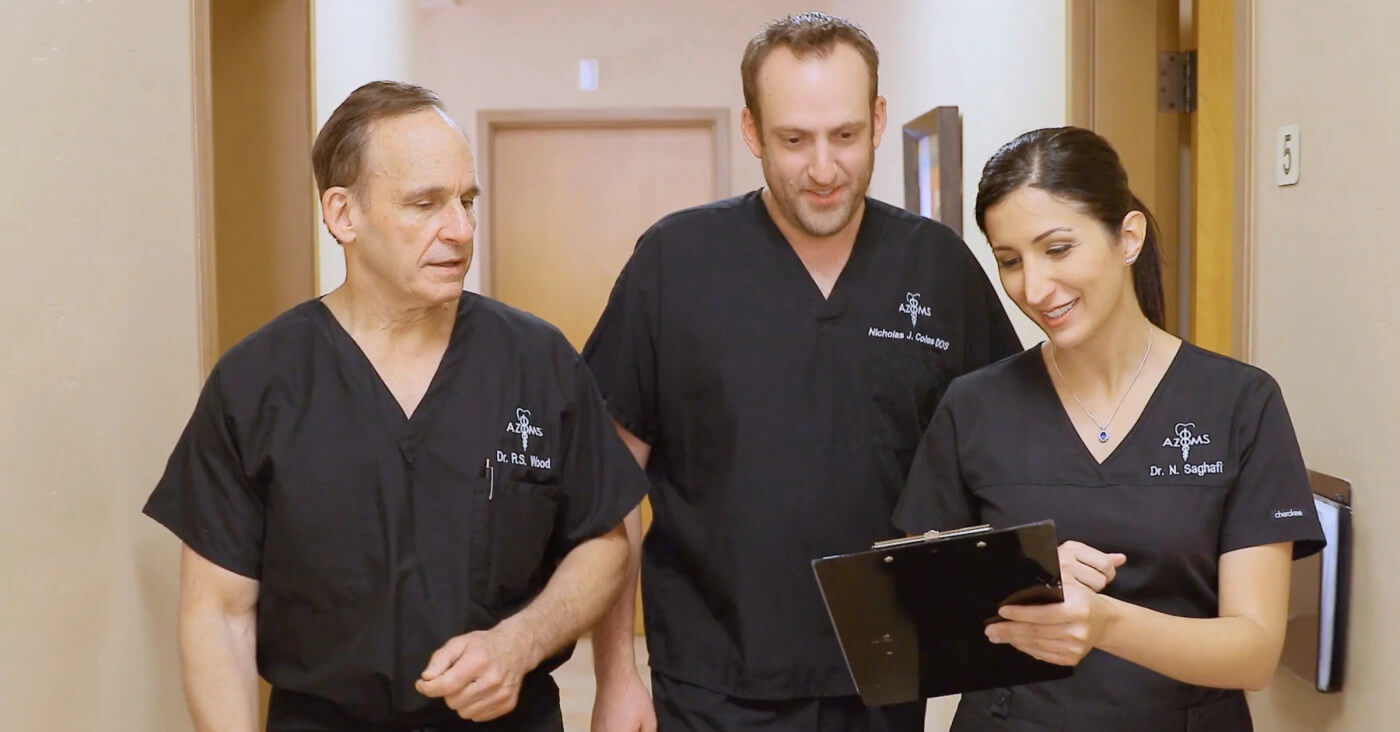
Arizona Oral & Maxillofacial Surgeons has cared for patients throughout Southern Arizona for more than 50 years. Our board-certified oral surgeons have advanced training in diagnosing and treating conditions involving the mouth, jaws, and facial structures.

For patients referred for oral pathology, this expertise supports the full process from evaluating an unusual finding to performing a biopsy or surgical treatment when needed and helping patients understand the next steps after a diagnosis.

Jaw Surgery Care Across the Tucson Metro Area

Patients can begin their jaw surgery evaluation with Arizona Oral & Maxillofacial Surgeons at our offices in Tucson, Oro Valley, and Sahuarita.

Contact Us in Tucson

7455 E Tanque Verde Rd
Tucson, AZ 85715
Phone
(520) 745-2454
Hours
Mon–Thur: 8:00 AM–4:30 PM
Fri: 7:00 AM–2:00 PM

Contact Us in Oro Valley

1876 E Innovation Park Drive
Oro Valley, AZ 85755
Phone
(520) 745-2454
Hours
Mon–Thur: 8:00 AM–4:30 PM
Fri: 7:00 AM–2:00 PM

Contact Us in Oro Valley

16045 S Rancho Sahuarita Blvd
Sahuarita, AZ 85629
Phone
(520) 745-2454
Hours
Tues-Wed: 8:00 AM–4:30 PM
Every Other Thursday : 8:00 AM–4:30 PM
Fri: 7:00 AM–2:00 PM

Get Answers About a Suspicious Oral Lesion

If your dentist has referred you for further evaluation or you have noticed a persistent sore, lump, patch, or other unusual change, our oral surgeons can help determine what it may be and whether additional testing is needed.

Contact Arizona Oral & Maxillofacial Surgeons to schedule an evaluation at our Tucson, Oro Valley, or Sahuarita office.

Frequently Asked Questions

No. A biopsy is a diagnostic tool used to identify what an abnormal area of tissue represents. Many oral lesions are benign or related to other conditions. The pathology results help your surgeon determine whether treatment or additional evaluation is necessary.

Anesthesia is used to keep the biopsy area comfortable during the procedure. Depending on the location and extent of the biopsy, you may experience some soreness, swelling, or tenderness afterward. Your surgical team will provide instructions for caring for the area as it heals.

The length of the procedure depends on the location, size, and type of tissue being evaluated. Your surgeon will explain what to expect after examining the area and determining the appropriate biopsy approach.

Most biopsy specimens are sent to a pathology laboratory for examination. AZOMS typically reviews the pathology report with you at a post-operative visit around one week after the procedure, although timing can vary depending on the case.

If a cyst or tumor is determined to be non-cancerous, surgical removal may be recommended. Your surgeon will discuss whether removal is necessary and any additional treatment or follow-up that may be appropriate.

Changes such as red or white patches, sores that do not heal or bleed easily, lumps, thickened tissue, persistent hoarseness, or difficulty chewing or swallowing should be brought to the attention of your dentist or oral surgeon. An examination can determine whether further testing is needed.
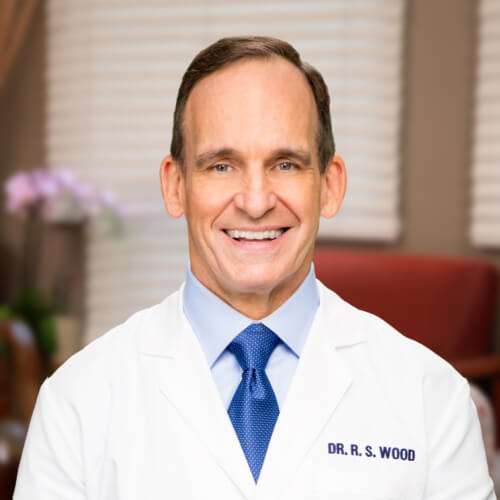
Exceptional Outcomes From a Team You Can Trust

We’ve been caring for patients in southern Arizona for over 50 years. As board-certified experts, our surgeons bring years of training and expertise to you and your loved ones with the highest standards. Learn more about our office or contact Arizona Oral & Maxillofacial Surgeons today to see how we can improve your oral health.

Trusted care for all your 
oral and maxillofacial needs.

Tucson Office

Hours

Mon–Thur: 8:00 AM–4:30 PM 
Fri: 7:00 AM–2:00 PM

Oro Valley Office

Hours

Mon–Thur: 8:00 AM–4:30 PM
Fri: 7:00 AM–2:00 PM

Sahuarita Office

Hours

Tues-Wed: 8:00 AM–4:30 PM
Every Other Thursday : 8:00 AM–4:30 PM
Fri: 7:00 AM–2:00 PM
© 2026. All rights reserved. | Arizona Oral & Maxillofacial Surgeons • AZ Specialty Dental Services, LLC - Jeffrey Burg, DDS.
linkedin facebook pinterest youtube rss twitter instagram facebook-blank rss-blank linkedin-blank pinterest youtube twitter instagram